LEARN THAT EXTRA SKILL. USE IT!!
Skills that sell . Results that are dependent on your effort.

CCTV Architecture, Design, Installation & Management Skills
August 19 @ 09:00 - August 23 @ 16:30 EAT
USD200|
REQUIREMENTS TO JOIN OUR SECURITY INSTALLATION COURSES AS A TRAINEE:
|
CCTV ARCHITECTURE, DESIGN, INSTALLATION & MANAGEMENT
MON – FRI: 09.00 – 16.30

DURATION: 5 DAYS
Venue: Kenvision Techniks Workshop
Introduction
Come learn with the experts the technical elements about CCTV- Installation, configuration, streaming and maintenance.
Aim: This course is designed to give participants a practical knowledge of the Operation and Installation of CCTV Systems at:
To Book this skill, please click on the following link to DOWNLOAD the BOOKING FORM
Classes will be held in workshop environment. 80% of skill impartation is practicalTo download the FULL Course details, click on the following link:
How you will benefit:
At the end of this course, the trainee shall be able to:
- Understand the fundamental elements that make up a CCTV system
- Set up a Camera, Monitor, Switches
- Set up recording devices.
- Connect up and test system elements.
- Be aware of the issues associated with lighting, the significance of the “Operational Requirement” , the relevant standards and issues.
- Use a lens calculator to choose correct lens for particular application.
- Have an awareness of the changing technology and its impact on the industry
To Book this skill, please click on the following link to DOWNLOAD the BOOKING FORM
Course Objectives
You will:
- learn the key concepts used in CCTV and digital video like lighting, picture formation, bandwidth calculation, camera synchronization, etc.
- learn the latest technologies used in CCTV like video analytics, understanding HD, latest video compression techniques, and products like megapixel cameras.
- understand the principle, types, features, and how to choose, install and troubleshoot for each CCTV component like cameras, lenses, switches, transmission systems, monitors, CCTV accessories, and recording systems.
- get a step-by-step understanding of the CCTV installation process including mounting of equipment, cabling, testing & commissioning, and maintenance.
- understand the CCTV system design process including CCTV surveys and various CCTV applications.
IP SURVEILLANCE ARCHITECTURE & DESIGN .
.
- Detection Purpose
- Location/Placement Guidelines
- CCTV Type
- Camera Mount
- Enclosure
- Power Requirements
- Power Availability
- Power Conditioning
- Communication.
- Environmental
- Location/Placement Guidelines
- Utility Availability
- Safety and Device Protection
- Operational Considerations
- Maintenance Considerations.
- Camera Type
- Pan & Tilt vs. Fixed
- Analog vs. IP
- Selection of Camera Mounting Type
- Frame Rate
- Field of View digital operations .
- Image Resolution
- Video Compression and File Formats.
- Network Cameras.
- Network-Attached Digital Video Recorder (NDVRs).
- Network Video Recorders (NVRS).
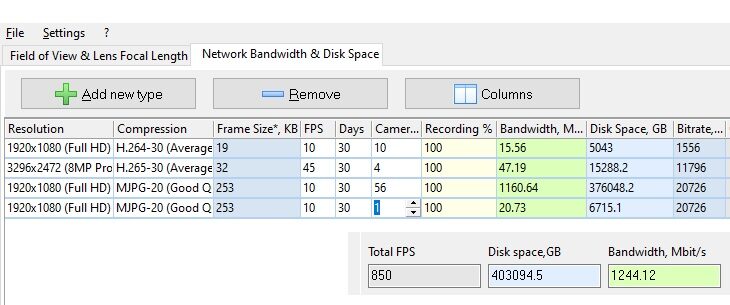
- Calculation of Storage Requirements
- Pixel Density: Number of pixels in a given Field of View
- Manual Focusing
- Pixel Density & Object Distance
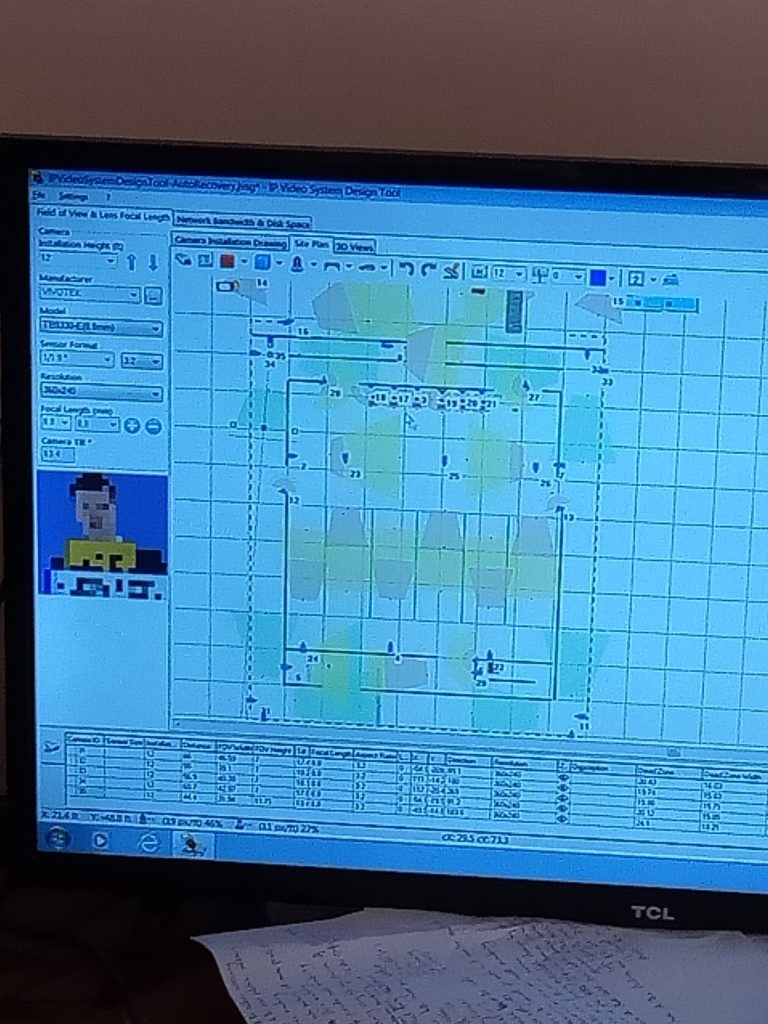
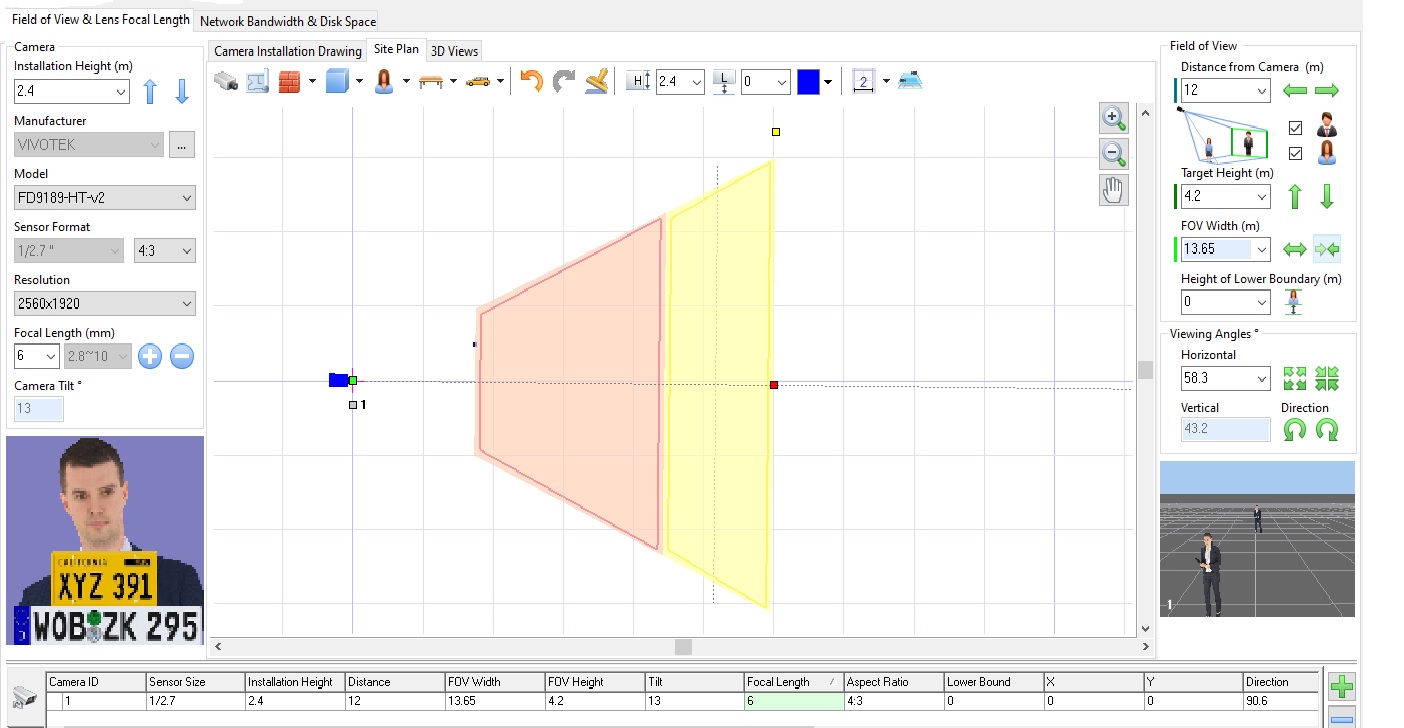 You can get these skills and much more as extras when you enroll on our IP CCTV Training Program. This course is founded on giving you the best skills you can get on Surveillance Design techniques using customized auto-cad applications, lens calculators, measuring PPM, handling resolutions, understanding aspect ratios, lighting, configuring IP cameras to according to streaming standards such ONViF, PSIA etc…
To Book this skill, please click on the following link to DOWNLOAD the BOOKING FORM
Qualification: To qualify as a CCTV Design & Architecture Specialist, the learner has to show mastery of CCTV Design application by presenting a completed Design of a CCTV environment that is issued during the learning session,
[wpdevart_youtube]A1I0RSKWxLo[/wpdevart_youtube]