- Version
- Download 92
- File Size 899.35 KB
- File Count 1
- Create Date 01/10/2020
- Last Updated 26/01/2023
$180
 Introduction
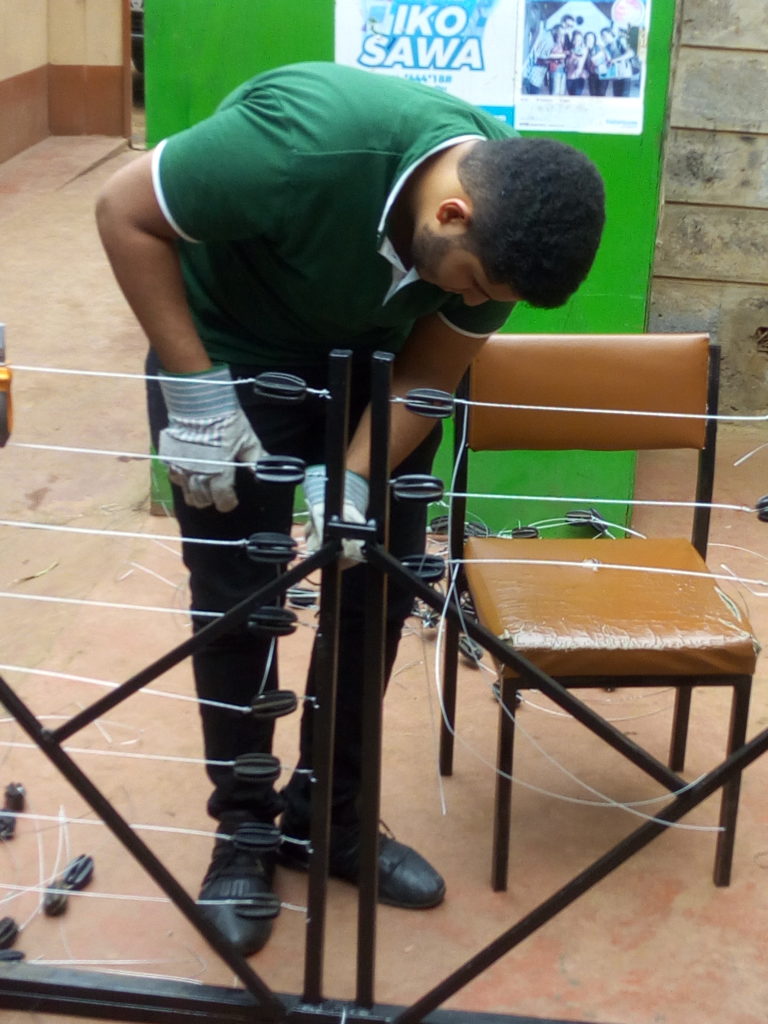
This course covers the process of installing and maintaining electric fences in a rural enterprise and defines the standard required to: select the correct tools and equipment; apply appropriate methods to install and maintain electric fences; erect fences to contour; safely install components without damage; dismantle and transport fences.
Course Objectives
By the end of this course, the trainee is expected to be able to ensure that
- Prepare for fencing operations
a). Tools and materials appropriate to meet job requirements are selected and checked against the work plan.
b). Routine pre-operational checks of tools are carried out and adjustments are made according to manufacturers' specifications.
c). Faulty or unsafe tools are identified and segregated for repair or replacement according to enterprise requirements.
d). Potential and existing hazards in the workplace are risks assessed and minimized according to Occupational Health and Safety (OHS) and enterprise requirements
- Carry out fencing operations
a). Suitable personal protective equipment is selected, used, and maintained according to OHS and workplace procedures.
b). Dismantling operations are carried out, as required, with a focus on minimizing unnecessary damage and recovering all re-useable materials.
c). Repair requirements are identified and carried out according to work plan procedures.
d). Sundry electric fences are erected to contour according to the work plan and OHS requirements.
e). Electric fence components are installed neatly according to the manufacturer's specifications.
f) All work is carried out safely according to OHS and enterprise requirements.
- Complete fencing operation
a). Post holes are firmly filled to remove potential hazards and minimize environmental impact.
b) Work site is cleared and tidied and all non-reusable materials are disposed of in an environmentally responsible manner.
c). Tools and reusable materials are transported safely from the work site and stored according to enterprise and manufacturers' recommendations.
d). Further identified work or repair requirements are reported according to enterprise requirements