LEARN THAT EXTRA SKILL. USE IT!!
Skills that sell . Results that are dependent on your effort.

Basic Auto Electrics, Electronics & Diagnostics Skills Training -Mar ’26

Intro
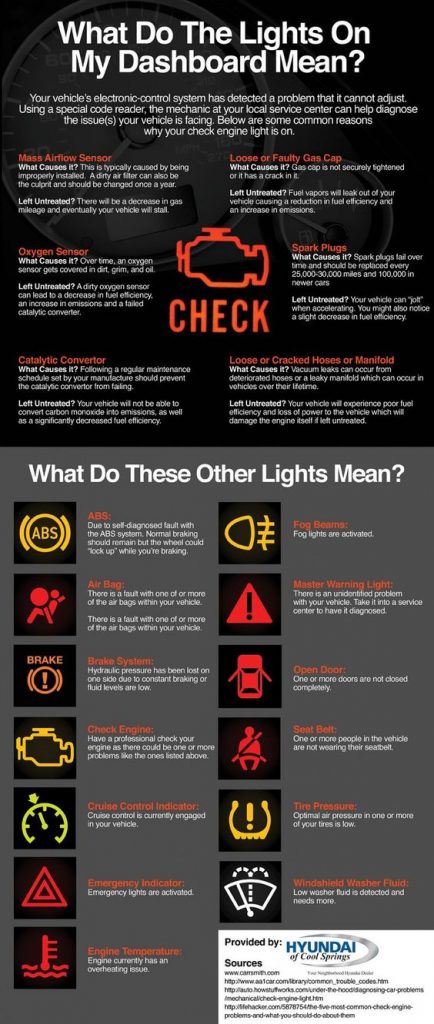
One has to go an extra mile. to become a potent automotive electrician. It is even more demanding when we consider the ever-computer-dependent fact that more and more cars are churned out onto our roads every day by factories that have invested heavily in computerized production. The electrical technician of today has no place in fixing most of the cars that are on the roads today.
This course consists of THREE units, namely
Unit 1: Introduction to Basic Electronics
Unit 2: Scantool Diagnostics & CAN (Controller Area Network) Bus
Unit 3: Engine Component Diagnostics
Each of the units costs 45K (USD 300) and takes 1 Week to complete. The full course takes 3 weeks and costs USD 900. It is advisable to take up all the units if one is a novice (beginner). Those already with qualifications and skills may skip the basics upon being preliminarily examined for their experience.
Venue: Kenvision Techniks Workshops, Kahawa Sukari
Fee: USD 900 (full course fee) / or USD 300 per unit
Click HERE to book this course
Working on cars with experience
Unit 1: Introduction to Basic Electronics
All technicians would benefit from attending this course, particularly people who would normally avoid working with electrics.
Some older technicians may have just attended mechanical training when young and not had formal electrical training.
- How electricity is produced for vehicles
- Wiring types for various circuits
- A/C & D/C differences
- Measurements, Volts, Amps & Ohms
- Ohm’s Law
- Electrical units and multipliers
- Circuits, series and parallel
- Switches and Rheostats
- Measuring devices
- Practical Exercises
- Grounds, and Earth testing
- Introduction to Sensors and Actuators
- Fault-finding techniques, including short and open circuit testing and measuring high resistances
Click HERE to book this course
Click Here to Download the Course Outline: AUTO-ELECTRICS TRAINING

Unit 2: Scan Tool Diagnostics & CAN Bus
KES 45K/300 USD Per Unit
All technicians would benefit from this course; basically trained mechanics will gain the knowledge and insight required to work on modern cars, and understanding limitations of equipment types will build confidence to correctly diagnose complex problems on today’s cars.
Technicians who wish to be brought up to date on how to diagnose faults on modern vehicles.
People who need to know how the system works to facilitate other areas of work may need the knowledge.
- Timeline of introduction of computerization and vehicle networks
- Electric fundamentals
- Understanding Fault Codes and how they are generated
- Why you do not always get Fault Codes but have problems on the vehicle
- Sensors and actuators: what role do they play?
- How data is passed around a vehicle.
- Understand the difference between Live Data and graphing.
- CAN BUS explained
- Why we need and use CAN BUS systems
-
Are there master and slave modules on the CAN bus?
The nature of CAN bus communications allows all modules to transmit and receive data on the bus. Any module can transmit data, which all the rest of the modules receive permitting both peer-to-peer and broadcast data transmissions.
In CANopen, the CAN bus normally includes one module acting as a network master which starts the bus communications, but a dedicated master module is not needed. In J1939, the master and slave concept is not used.
Click Here to Download the Course Outline: AUTO-ELECTRICS TRAINING
Click HERE to book this course
Unit 3: Engine Component Diagnostics
Fee: USD 900 (full course fee) /or USD 300 per unit
This course is oriented to use oscilloscopes with other test equipment. In particular, the oscilloscope helps give a good understanding of sensors, actuators, and how they operate.
Fundamentals of electronic ignition, electronic control systems, electronic fuel injection, and idle speed control, with oscilloscope use as a diagnostic aid. With waveform interpretation and understanding made easy.
TARGET GROUP
- All technicians would benefit from attending this course, but it is specifically aimed at technicians who understand the basic principles of electricity and want to improve their diagnostic skills.
- Anyone who has finally realized that owning a scan tool is only halfway there. For people who want to fix the car rather than just find out what is wrong with it.
- Fundamentals on electronic controls used, focusing on electronic architecture and interaction between sensors and actuators.
- Background to the purpose of Euro 3, Euro 4, and Euro 5 and what to expect with Euro 6. Block exemption rulings and rollout of standardized parts.
- Detailed coverage of Electronic Fuel Injection (EFI), both petrol and diesel.
Click Here to Download the Course Outline: AUTO-ELECTRICS TRAINING
SENSORS
- Air metering devices, including vacuum sensors (MAP), hot wire (air mass meter),
- Karmen Vortex type air flow and vane type air flow meters.
- Temperature sensors
- Oxygen sensors (Lambda/O2)
- Knock sensors
- Throttle position sensors (Potentiometers)
- Engine speed sensors (Crankshaft)
- Crank/Cam position sensor (Cam sensor)
- ELECTRONIC CONTROL UNITS (ECU)
- Basic operation and operational decision-making priorities.
- ACTUATORS
- Fuel injectors
- Idle Speed Control Valves (Rotary and Electromagnetic)
- Exhaust Gas Recirculation Valves (EGR)
PRACTICAL – Implementation of the theory using either the delegate’s own vehicles and test equipment; if required, equipment shall be provided for this practical work. Readings can be compared with scan tool data